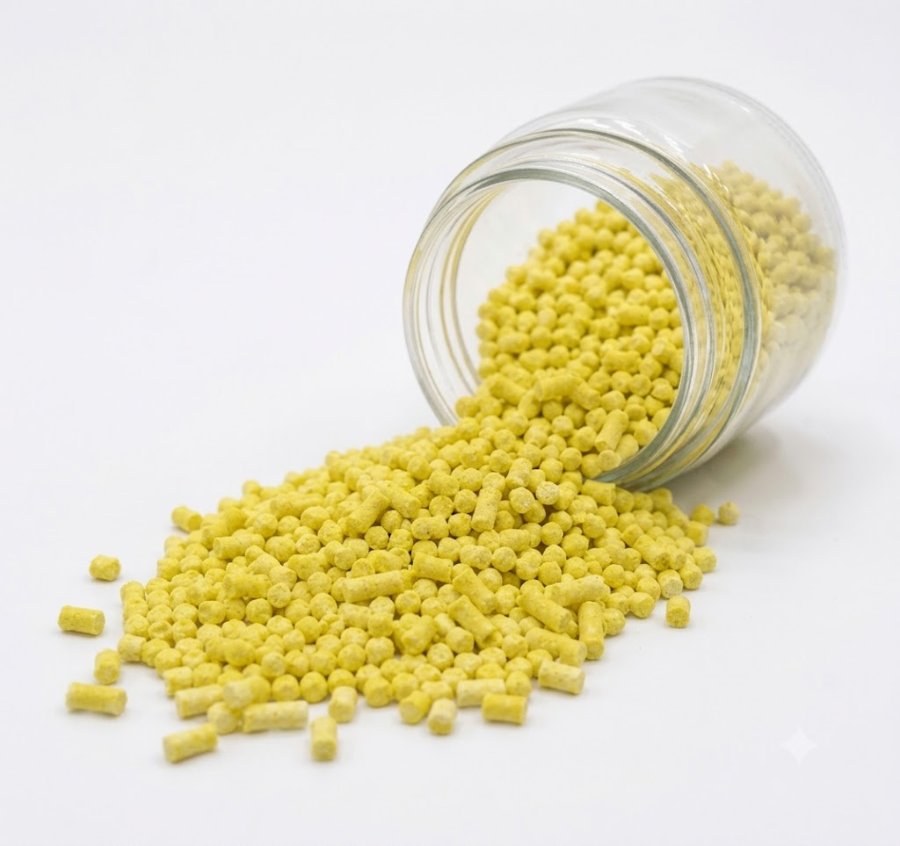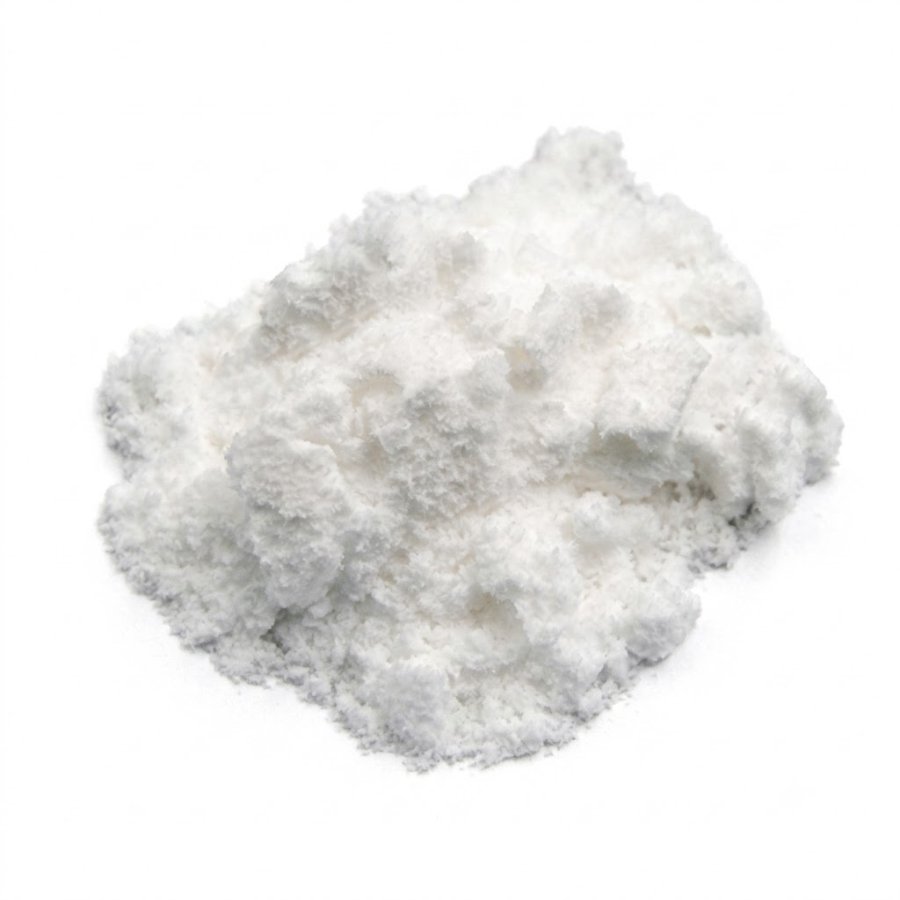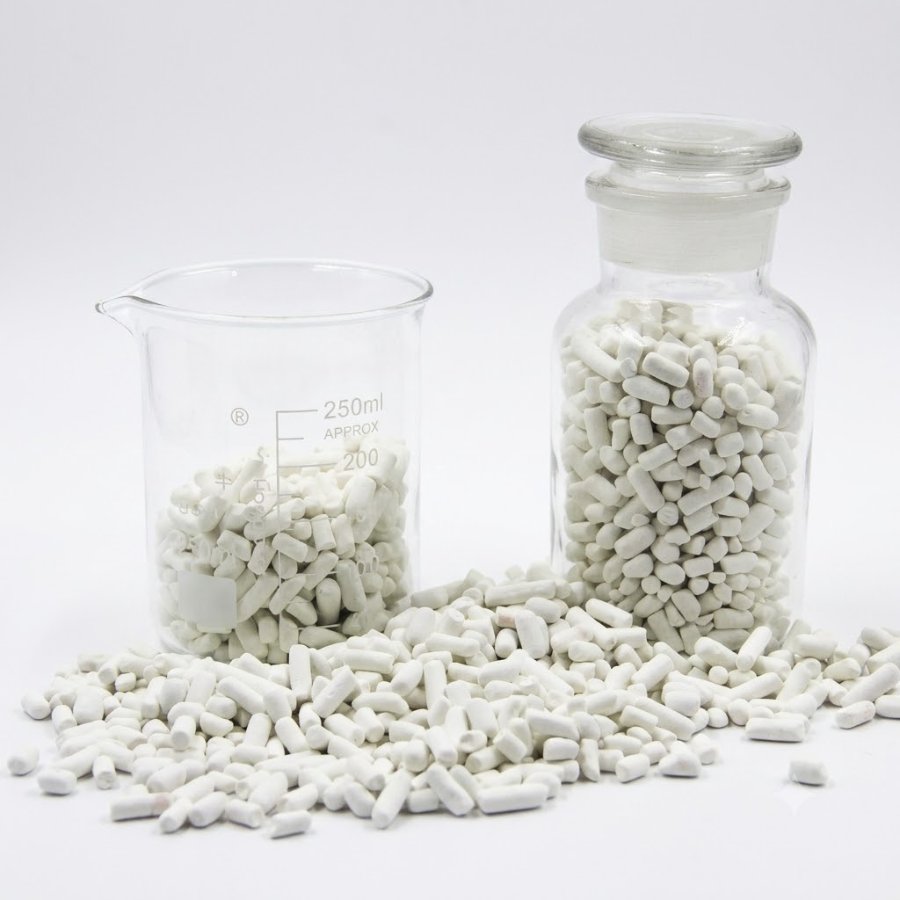


Xanthate collectors are the workhorse reagents of sulfide flotation — their job is to adsorb onto mineral surfaces and make them hydrophobic enough to attach to air bubbles and report to the froth. The right choice comes down to one trade-off: selectivity versus collecting power.
Sodium Isopropyl Xanthate (SIPX) sits in the middle of that spectrum. Its branched-chain structure gives base-metal circuits — copper, lead, zinc, and gold-bearing sulfides — a dependable balance, which is why it is the default collector in so many standard flotation circuits.
Potassium Ethylxanthate (PEX) trades collecting power for selectivity. Its short chain makes it the reagent of choice in cleaner and finishing stages, where concentrate grade matters more than squeezing out the last percentage point of recovery.

Potassium Amyl Xanthate (PAX) sits at the opposite end: the longest chain, the strongest collector, and the least selective. When sulfide surfaces are oxidized or tarnished and recovery — especially gold recovery — is the priority, PAX is the standard choice.
Most circuits end up using more than one of these across stages rather than a single collector throughout. GGI Chemicals supplies SIPX, PEX, and PAX as separate technical grades, so your metallurgical team can match the reagent to the stage rather than compromise on one product for the whole flowsheet.