

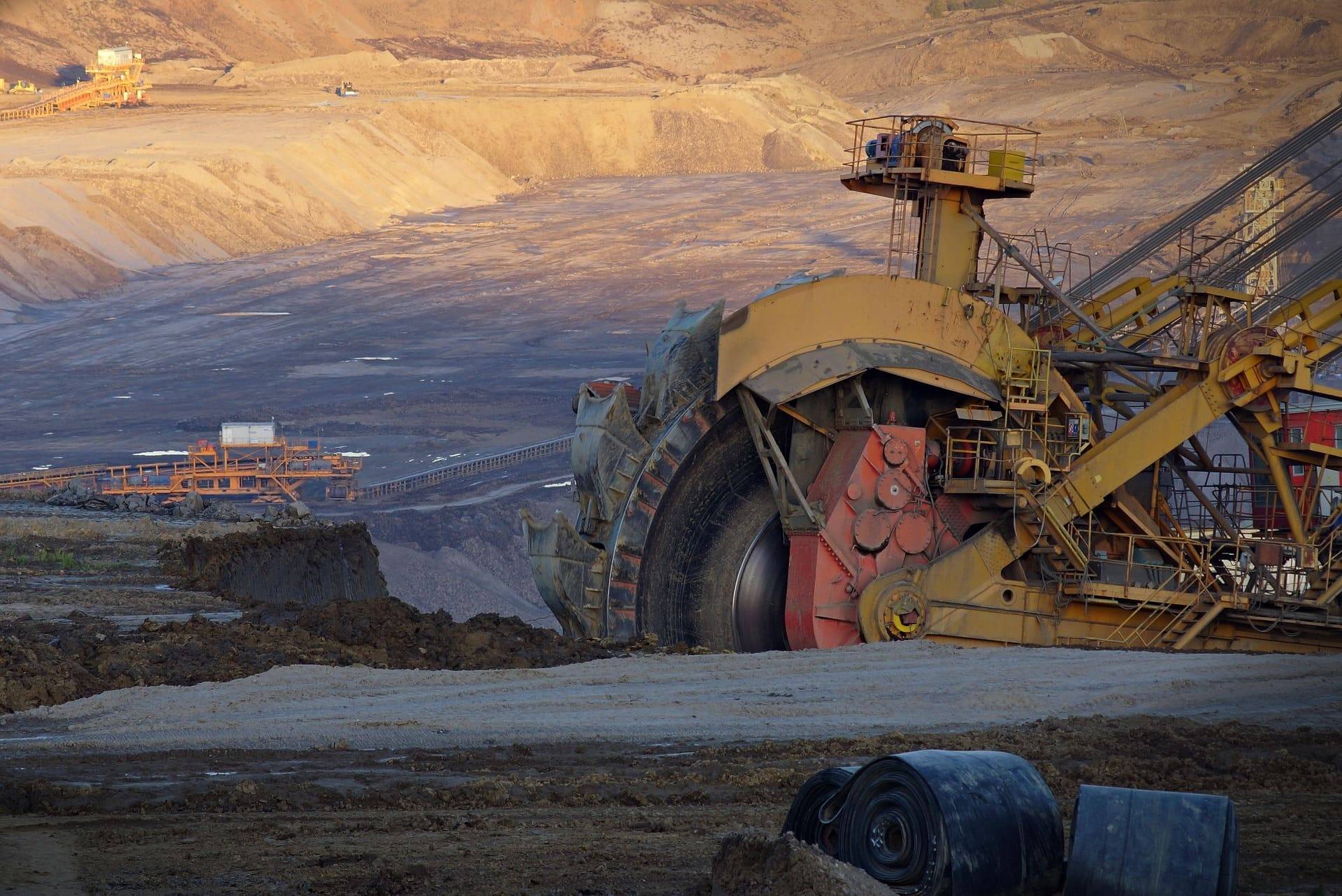
Not every gold ore leaches cleanly with cyanide alone. Ore containing sulfide minerals — particularly pyrite, pyrrhotite, or arsenopyrite — can passivate gold surfaces or consume cyanide and oxygen through competing reactions, slowing the leach and capping recovery below what the head grade suggests should be achievable.
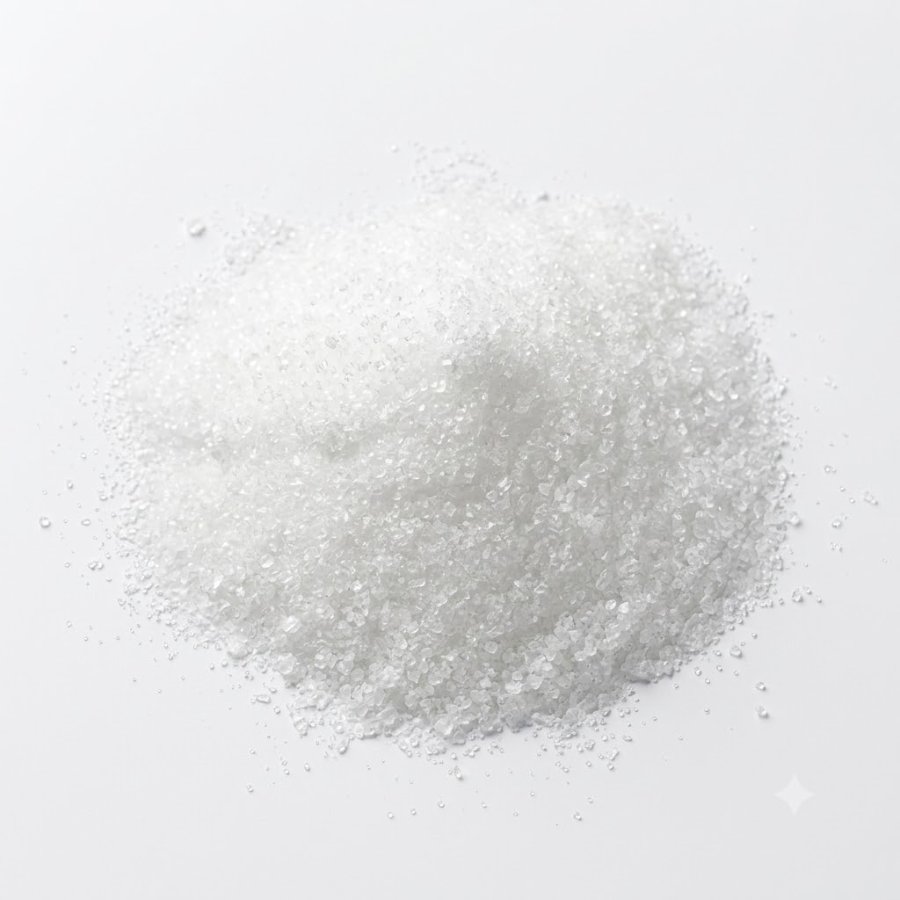
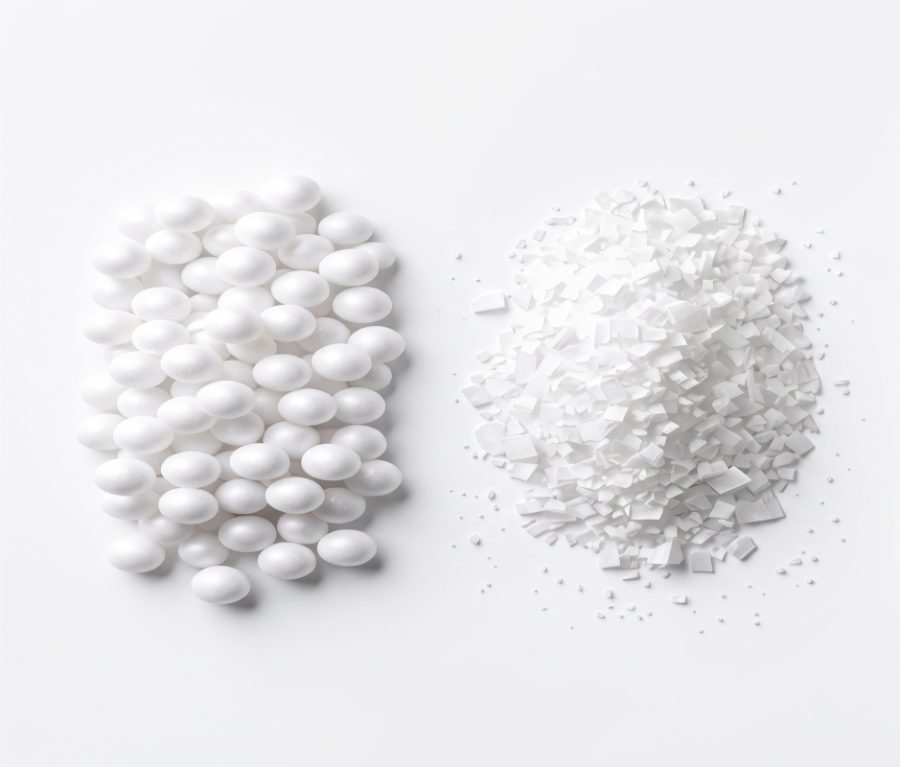
Lead nitrate is a common activator added in small, carefully dosed amounts to counter that effect. Dissolved lead ions interact with the sulfide surfaces and with the gold particles themselves, helping to clean passivating films and improve the rate at which gold dissolves into the cyanide solution.
Because it is water-soluble, lead nitrate dissolves quickly and distributes evenly through the pulp, which matters for a reagent that is effective in relatively small dosages — uneven distribution means uneven activation.
Metallurgical test work typically determines the right addition rate for a given ore; too little leaves the passivation problem unaddressed, while excess lead in solution can create its own downstream handling considerations in the tailings circuit.
GGI Chemicals supplies lead nitrate for this exact application, alongside the sodium hydroxide used for pH control and the sodium sulfide used earlier in flotation — the three reagents that, together, cover the reagent chemistry of a typical sulfide-to-gold flowsheet.