


If you already know you need a xanthate collector and just need to confirm which one fits your circuit, here is the short version: chain length is the variable that matters, and it moves selectivity and collecting power in opposite directions.
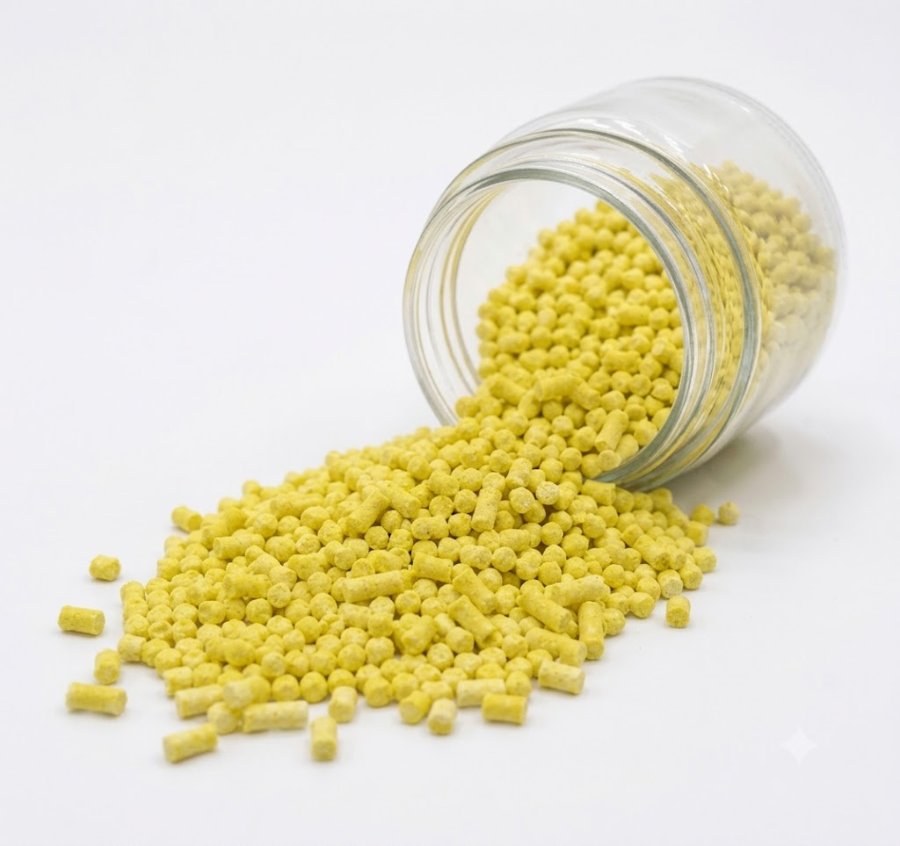
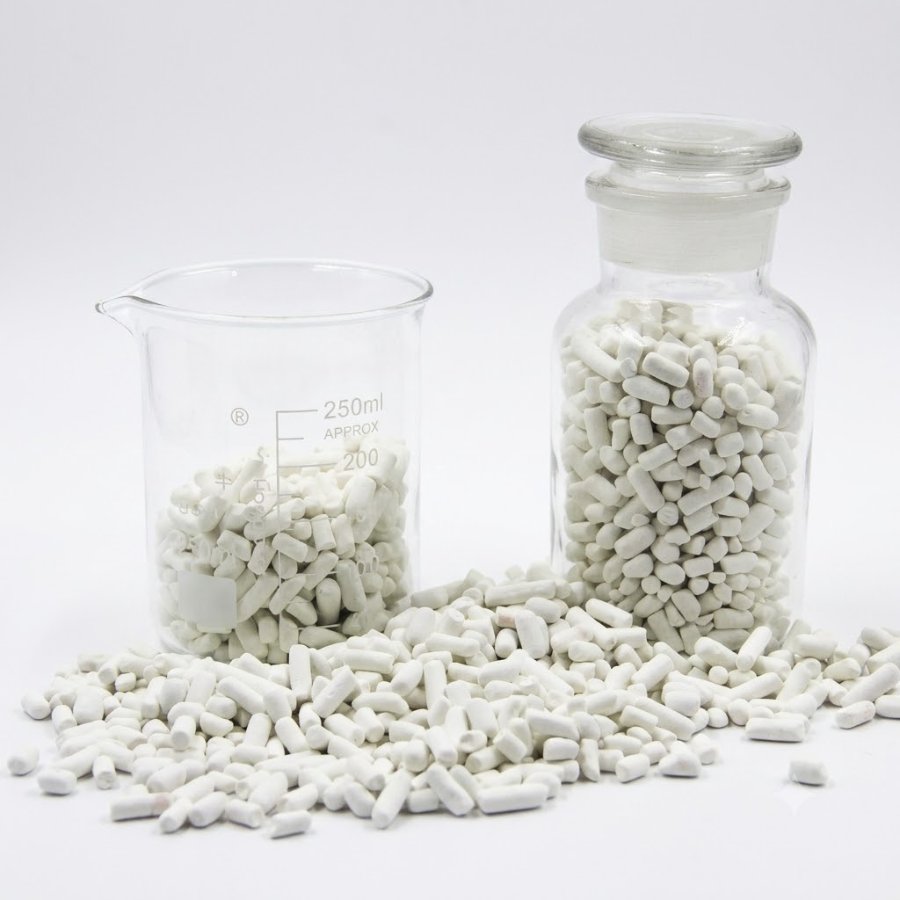
Sodium Isopropyl Xanthate (SIPX) is the middle-ground, default choice — a branched-chain structure that performs reliably across copper, lead, zinc, and gold-bearing sulfide circuits without being tuned to one extreme or the other. If you are not sure which collector to start test work with, SIPX is usually it.
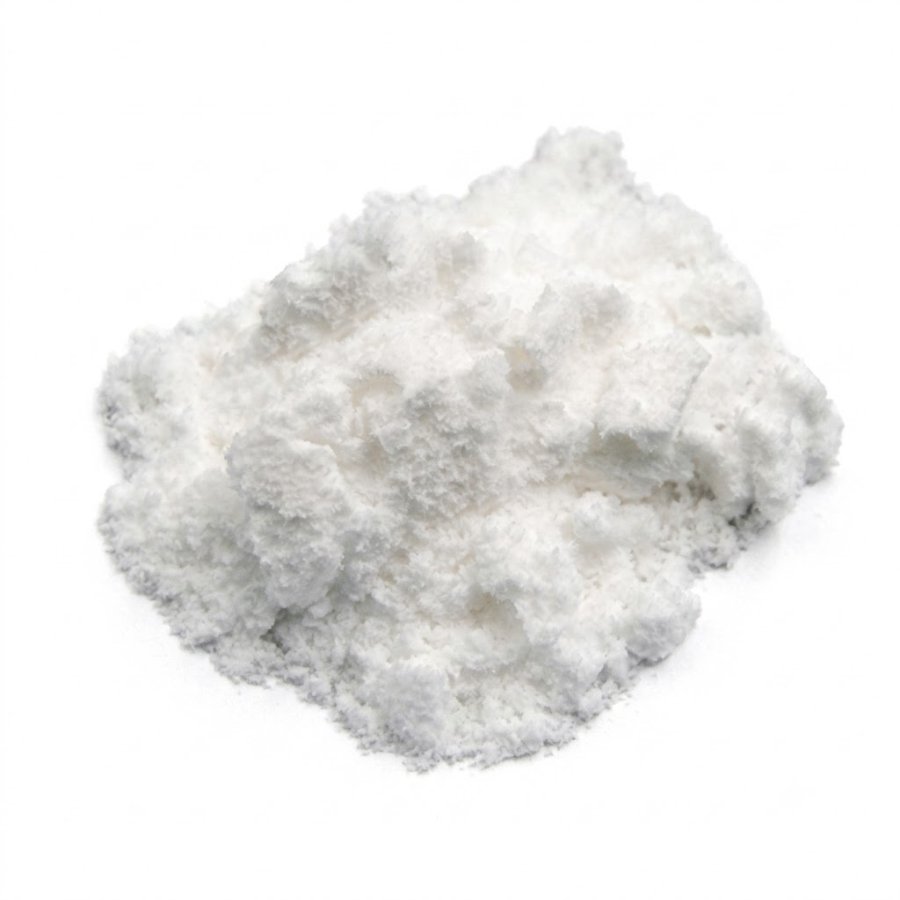
Potassium Ethylxanthate (PEX) is the short-chain, high-selectivity option. Reach for it in cleaner and finishing stages, where the goal has shifted from maximizing how much sulfide you recover to maximizing the grade of what you have already concentrated.
Potassium Amyl Xanthate (PAX) is the long-chain, maximum-strength option — the least selective of the three, but the most effective when sulfide surfaces are oxidized or tarnished and recovery, especially gold recovery, is the priority over concentrate purity.
In practice, most flowsheets use more than one of these across different stages rather than a single collector throughout — SIPX or PAX in rougher stages to maximize recovery, PEX in cleaner stages to protect grade. GGI Chemicals supplies all three as separate technical grades for exactly that reason.