

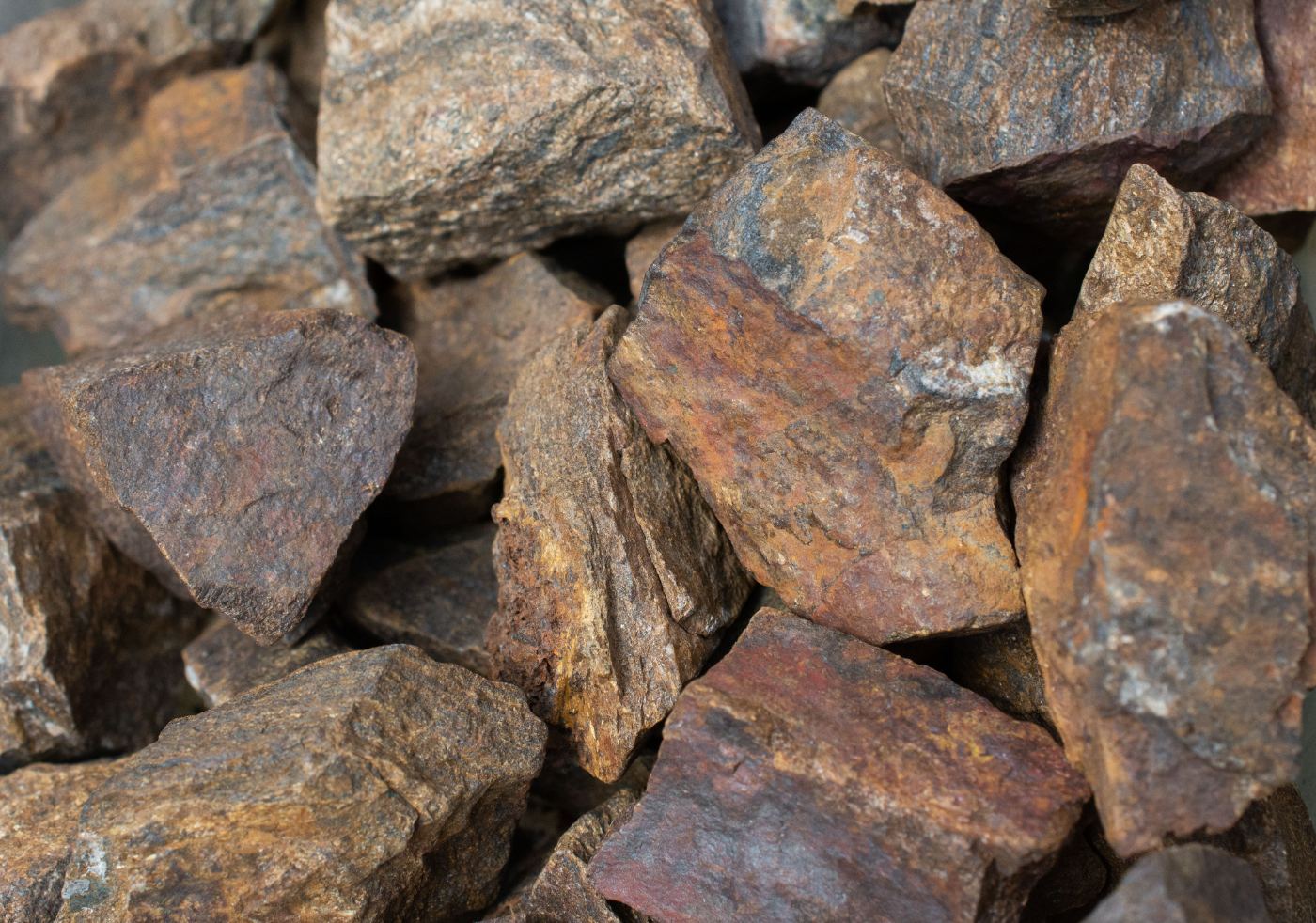
Sulfide minerals exposed to air and water develop an oxidized surface layer over time — in stockpiles, in transitional ore zones, or simply during storage. That oxidized layer is a problem for flotation: xanthate collectors are designed to attach to sulfide surfaces, not oxidized ones, so oxidized particles report poorly and recovery drops.
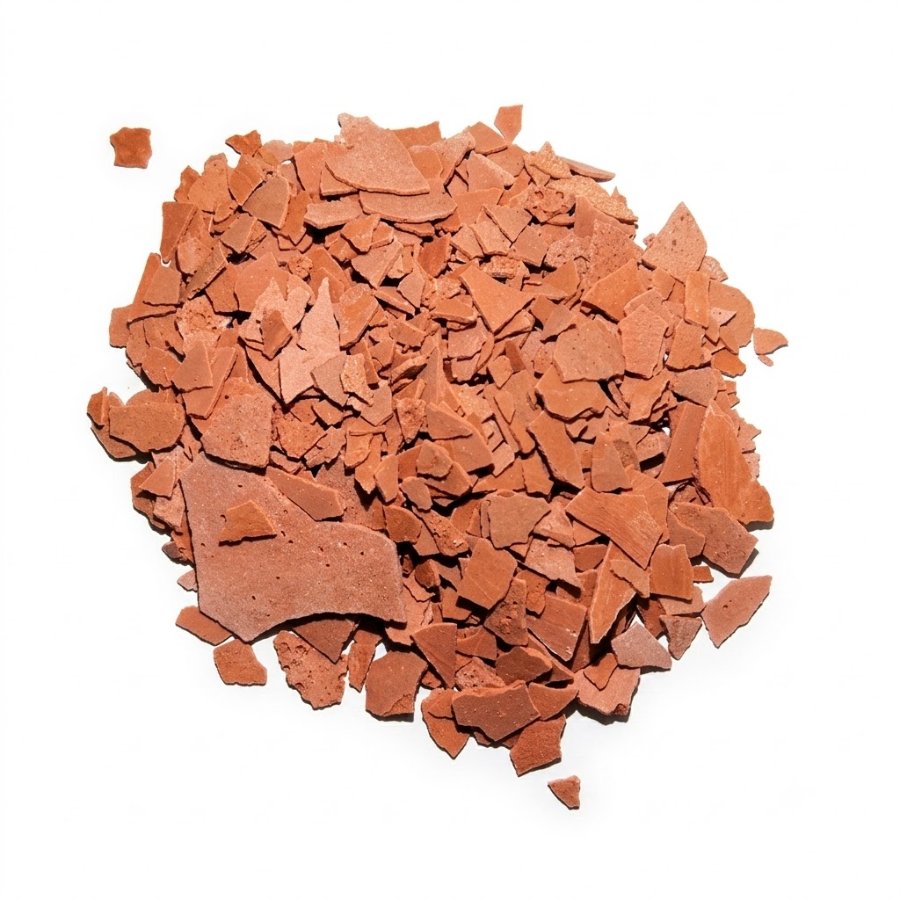
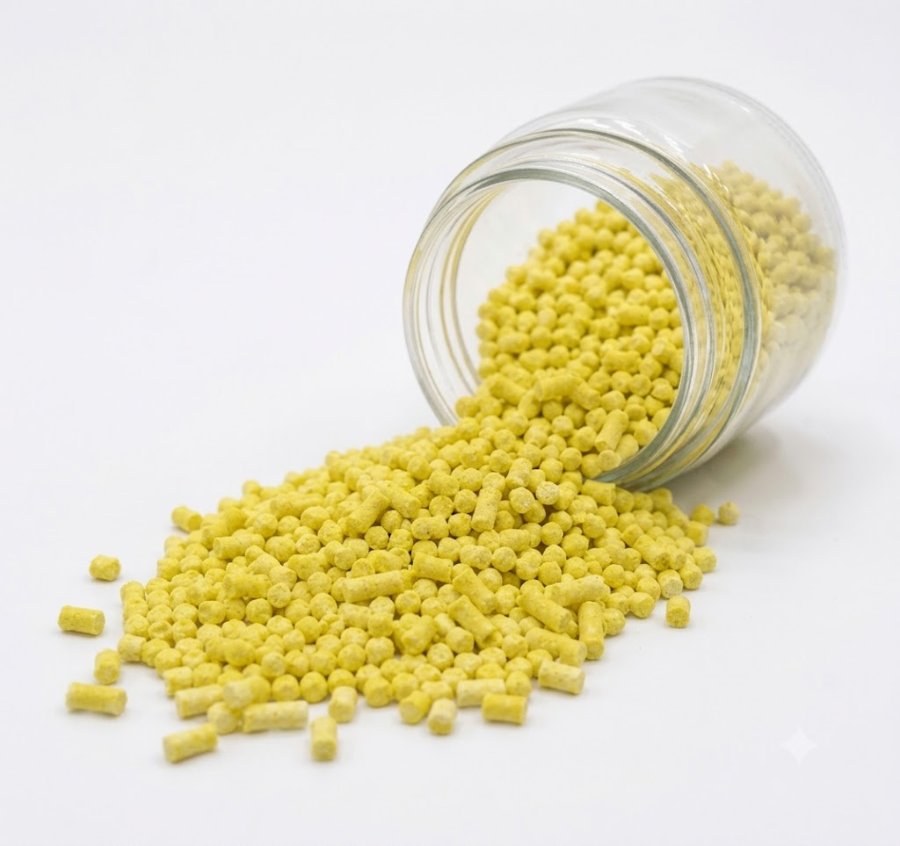
Sodium sulfide addresses this directly. As a strong sulfidizing and reducing agent, it reacts with the oxidized surface of copper, lead, and zinc minerals and reintroduces a sulfide layer — effectively reactivating the surface so xanthate collectors can adsorb normally in the flotation stage that follows.
In practice, sodium sulfide is dosed ahead of the collector addition point, giving the reagent time to condition the pulp before flotation begins. Getting this conditioning step right is often the difference between a circuit that struggles with oxidized feed and one that recovers it reliably.
The same chemistry that makes sodium sulfide useful in mineral processing extends to other industries — it is also used in leather tanning, pulp and paper processing, and heavy-metal precipitation in wastewater treatment.
GGI Chemicals supplies sodium sulfide at the purity and consistency mineral processing circuits need for reliable sulfidizing performance, shipment after shipment.