

Industrial and mining wastewater often carries dissolved heavy metals — copper, lead, zinc, and others — picked up from ore contact, process water recirculation, or site runoff. Regulatory discharge limits generally require getting those metals out of solution before water leaves the site.
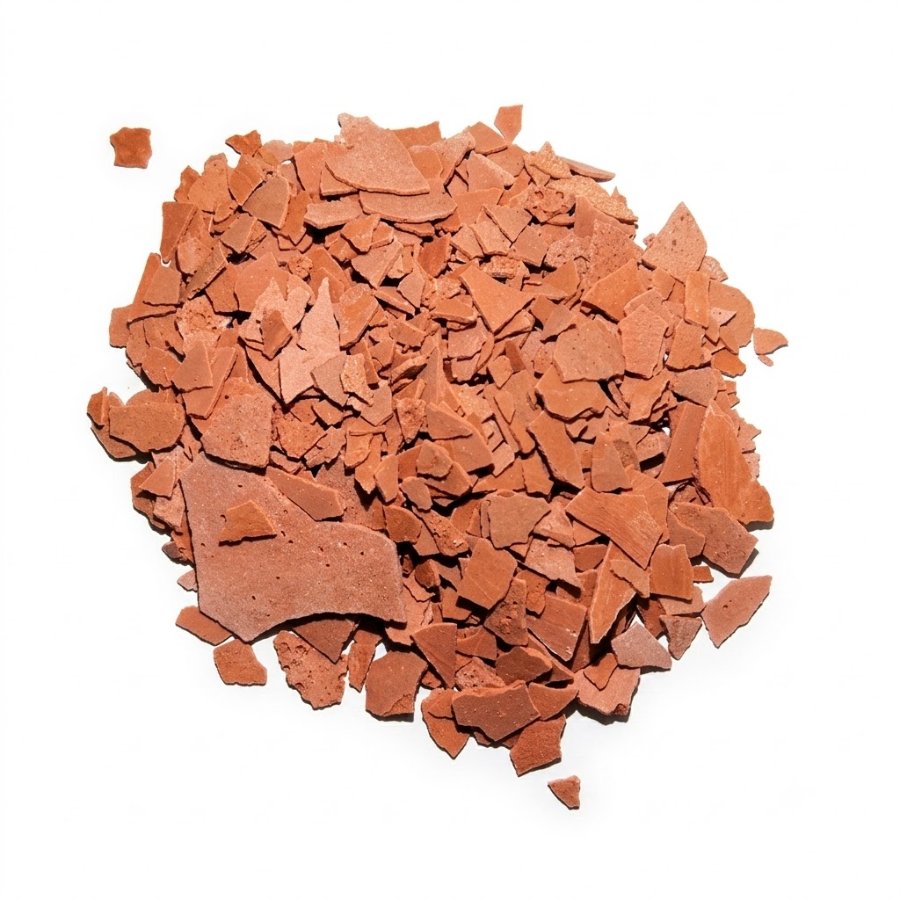
Sodium sulfide is one of the standard reagents for that job. Added to the wastewater stream, it reacts with dissolved heavy-metal ions to form metal sulfide precipitates — compounds with very low solubility that drop out of solution and can be separated by settling or filtration.
Metal sulfides are, in most cases, considerably less soluble than the metal hydroxides produced by simple pH-based precipitation, which is why sulfide precipitation is often used either as the primary treatment step or as a polishing step after hydroxide precipitation to reach stricter discharge limits.
Dosing needs to be controlled carefully — excess sulfide left in solution is itself a water-quality problem, so treatment is typically paired with monitoring to dose close to the stoichiometric requirement rather than in significant excess.
This is one of several industrial uses for the same sodium sulfide GGI Chemicals supplies for mineral processing — the reagent that reactivates oxidized flotation feed upstream is the same one that can help a site meet its discharge requirements downstream.